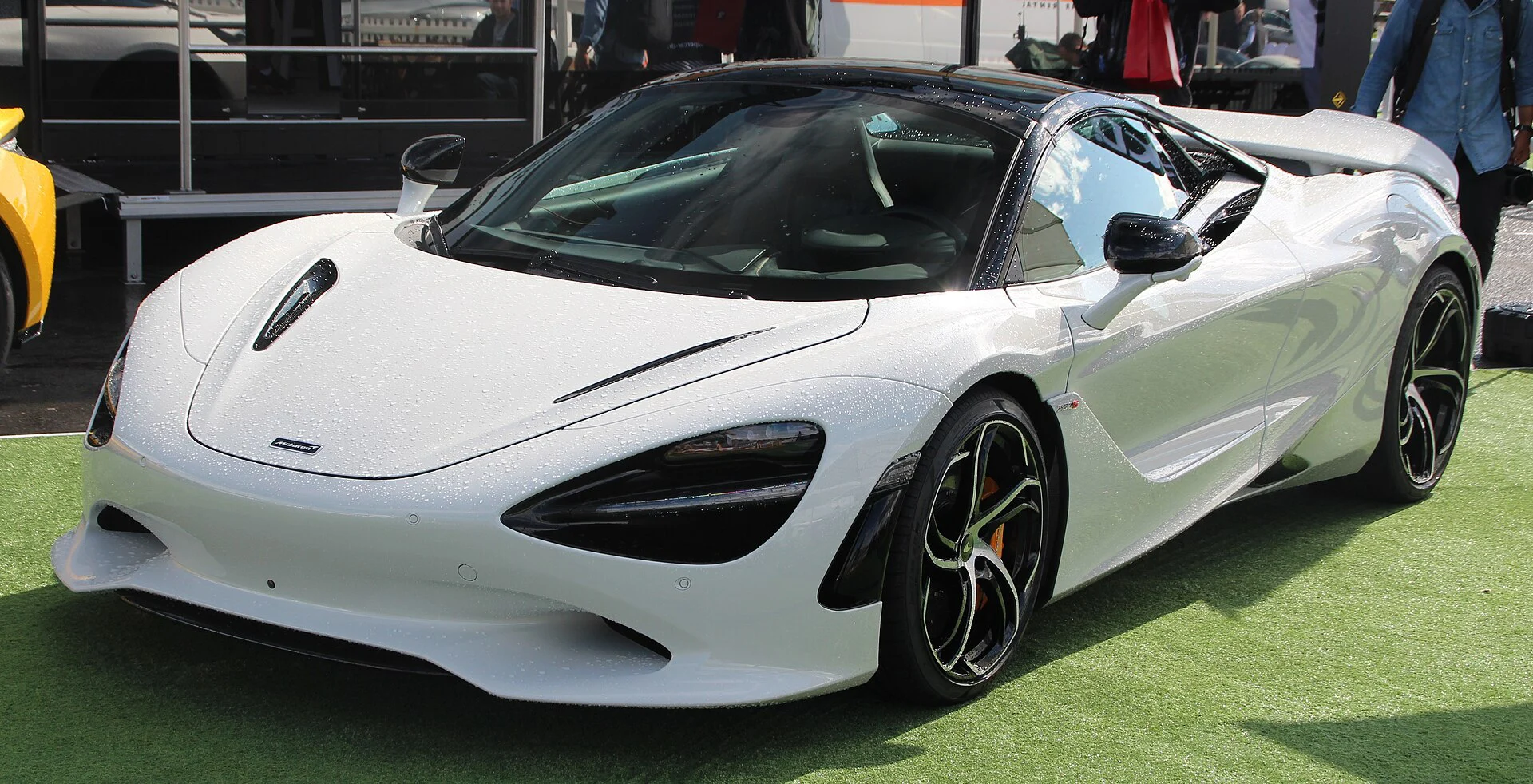
Have an exotic car in New York and want to cover some of the cost by renting it out for a few days? There are two routes: You can list it on one of the peer-to-peer car sharing programs, or you can register it as a rental car and hire it out on a more traditional basis. You really can’t do both, and the process for registering it and insuring it, as well as the taxes differ, so be clear in your own mind which option you are going to choose before you put your first ad together.
Car Sharing Is Defined by Article 40
In New York State car sharing is defined by Article 40 of the General Business Law (sections 900 through 919). This covers recalls, disclosures, airport transactions, and enforcement. The state rules are supposed to exist side by side with the Vehicle and Traffic Law, meaning that to qualify as a shared vehicle and not a rental car your vehicle is not offered for rent or lease “under section 137-a.” There’s not much choice: If you want to occasionally share your car and collect a reimbursement, you’ll need to learn about Article 40.
Before listing a shared car in New York, make sure it has a current state safety inspection. If you get a notice of a safety recall, the car must be delisted within 72 hours and stay off the carshare until fixed.
Insurance is the number one concern in New York for sharing a car. Your personal policy may have all the bells and whistles but it can still exclude all coverage for any loss, death or injury while the car is shared - this includes liability, no fault (if you’re injured) and physical damage (if someone crashes the car). Your insurer is legally bound not to cancel your personal insurance just because you share your car through a program that follows Article 40. The liability issue was finally addressed with Chapter 696 of 2025. This was signed into law December 19, 2025 and took effect about six months later. It dropped the old $1.25 million requirement for programs and replaced it with coverage of three times the VTL Section 311 minimums.
New York collects a 3% car sharing tax on what the driver pays, on top of regular sales tax, and the platform collects it rather than you. This is statewide. In New York City and Dutchess, Nassau, Orange, Putnam, Rockland, Suffolk or Westchester, including the Hamptons, a pickup adds another 3% “Metropolitan Commuter Transportation District” MCTD tax.
A Real Rental Car Company
If you’d rather rent out your car in a more regular way, instead of listing it for occasional use and getting a reimbursement, treat it like a real rental car company. Form a New York Limited Liability Company (LLC) or incorporate, register a Federal Employer Identification Number (EIN) with the IRS and set up a bank account. In certain areas you’ll need a local rental business license and be sure to get the sales or rental tax registration number where required. Your exotic can’t be driven for hire without a commercial vehicle registration. Standard auto policies are no use here. New York rental business insurance needs commercial coverage that names exotic and supercar categories specifically and carries high liability limits. Insurers price you on how you manage risk, so careful driver checks and real deposits can lower your premiums. Telematics are a good idea and so is a clear renters’ agreement.
Once you’re set up, most of the demand you’ll see is weekend vanity: birthday shoots, bachelor parties, Instagram. That market is crowded and seasonal. The quieter money is business travelers. They care far less about selfies, than about the car being at the airport on time, arriving clean, and a reliable human to reach if a flight slips. They bring repeat bookings and weekday use. Business travelers find you through existing relationships - with hotel concierges, corporate travel managers, executive assistants or corporate event planners. If you make one executive happy they’ll tell colleagues and staff. One corporate client that books monthly is worth more than a dozen one-off social weekend renters.
What decides whether your supercar works for you is not its list price but how many days it’s actually out. A car sitting idle Monday to Thursday still burns insurance, storage and financing. Exotics can fetch $1,000 to $2,500 a day, but filling those vacant weekdays raises utilization without adding cars. Consider your average daily rate, utilization rate and average cost per revenue day along with downtime.
So go after the midweek bookings that most owners ignore.