
A departure from Teterboro is the one appointment in a founder’s week that cannot slip. The aircraft has a slot, the crew has a duty clock, and the client has usually come straight from a meeting that ran long. So we don’t plan a delivery. We plan a staging.
Two hours out
The car leaves our garage two hours before wheels-up, not one. The route to the FBO is driven, not trusted to a map, because the Lincoln Tunnel at six on a Thursday is a different road from the one at six on a Sunday. The driver carries the tail number, the FBO’s ramp contact and the client’s concierge on a direct line. Nobody is squinting at a GPS at the gate.
Forty minutes out the car is parked two blocks from the terminal, engine warm, cabin at the client’s setting. This is the part nobody sees. It is also the part that makes the arrival look effortless.
If you have to explain the concept of “staging” to the person taking your reservation, you’re talking to the wrong company.
The two minutes everyone sees
At the agreed minute the car pulls to the aircraft steps, or to the terminal door where the FBO doesn’t permit planeside. The driver opens the door on the aircraft side. Luggage goes from the boot to the hold without touching the tarmac twice. The client is inside before the next car on the ramp has found its mark.
- Tail number and ETD confirmed with the FBO the morning of, and again at T-60.
- A weather plan: if the slot moves an hour, the car waits where it can’t be seen, not on the ramp.
- The concierge is on the phone with the crew, not the client. The client already knows it is handled.
- Collection is timed to the return leg before the outbound has left.
Cars for this kind of trip
Every car →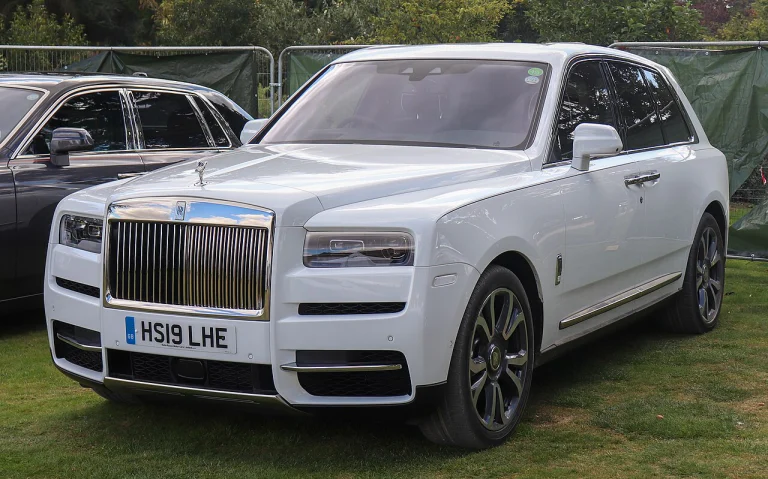
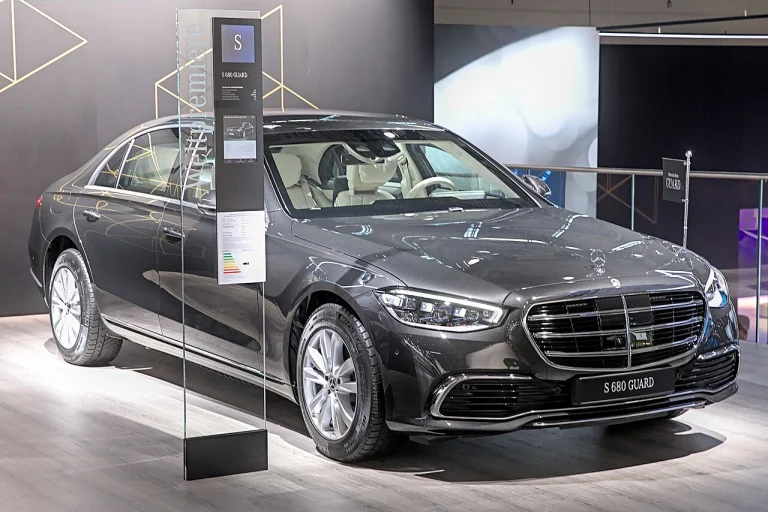
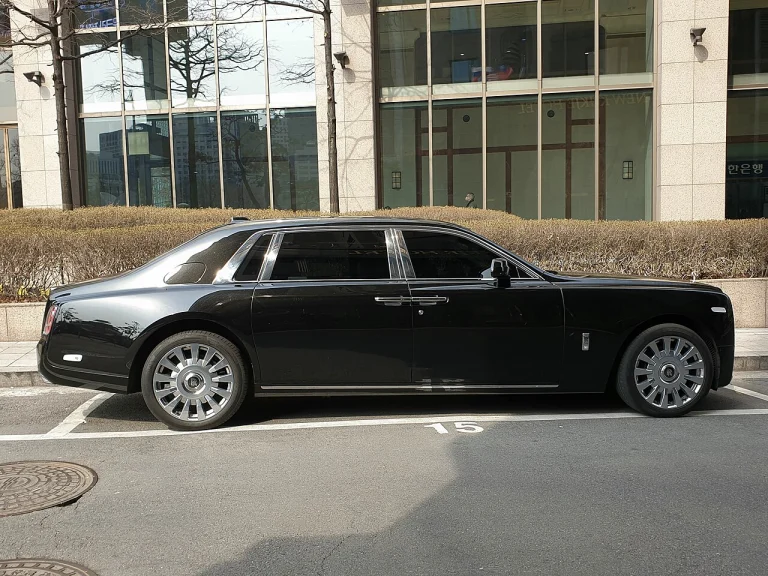
The car is the easy part. Anyone can source a Cullinan. The forty minutes nobody sees are the product.