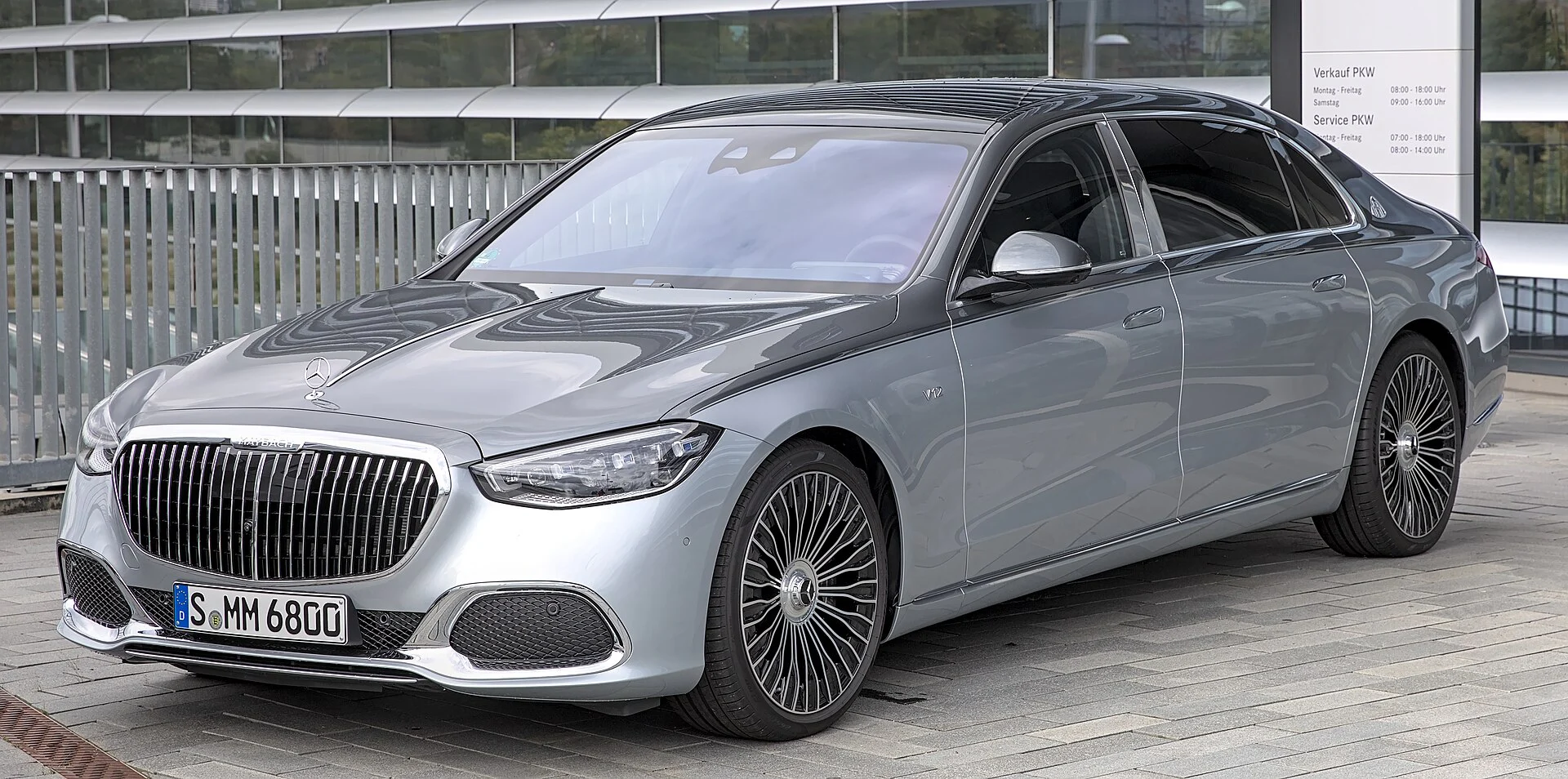
The difference between a luxury car rental and an exotic car rental is the class of car you’re getting. Luxury could be anything from a Range Rover to a Bentley Bentayga, while exotic could get you behind the wheel of a Lamborghini. The rules change depending on the class, though - an exotic minimum age is usually 25, while you can often get a luxury rental at 21. And deposits vary by vehicle, too. It pays to know what you’re signing up for before you book, not when they’re delivering the keys to your shiny new toy.
Age Might Seem to Be Everything
If you’re under 25 and want to rent a luxury car, you can - but there’s a catch. Your full-coverage insurance has to cover the car you want to drive, and you’ll usually be asked to pay an underage fee on top of the rental price.
Even in the big chains, each car class has its own rules. Avis won’t rent you a Luxury or Premium SUV unless you’re 25 and over. And in New York state, the law mandates that companies rent to anyone with a license who’s 18 or older, but an under-25 surcharge is allowed.
But age isn’t everything. Whatever your age, the car rental company can turn down your booking if you’ve had any serious violations or a DUI conviction. And if you’re under 25 but a friend 25-and-up offers to help, you’re still under 25 - your friend can’t sign the rental contract on your behalf. If you’ve got prom to go to, you might want to consider a chauffeured car, rather than risk being turned down at the rental counter.
Full-coverage Insurance
Getting the insurance on a rental is easy - if you’ve got full-coverage on your own car. That full-coverage insurance (which means collision, comprehensive and liability) has to transfer to the rental, and the rental company can verify your coverage through your insurer. The real reason to go with full coverage is that you’re taking your coverage with you when you travel. Scratched fender or broken taillight will get you billed out of your deposit, but you’ll claim it back from your insurer.
Even if your credit card includes coverage for rental cars, it’s not something you should count on. Some credit cards exclude luxury cars, so look at your contract or call to check the coverage. And if you’ve got Visa Infinite, you might be shocked to learn that luxury rentals worth over $75,000 MSRP won’t be covered. Bottom line: call your insurer and spell out the model of the car you want to rent and get their go-ahead.
What You Can Afford
If you’re looking at an exotic rental, you can expect to pay several hundred to several thousand dollars a day. And - there’s always a catch - exotic cars may be more expensive on weekends, during wedding season, or when there’s a big event in town.
The deposit on a car rental will scale to what you’re renting - the more expensive the car, the bigger the deposit. You’ll need a major credit card in your own name, and it’s a hold, not a charge - but it’s a painful drop in your available credit. If you’re trying to pay for your rental with someone else’s card, make sure you let the company know. The cardholder has to be added to the agreement as a driver, and they’ll be asked for ID at the delivery.
A rental car hold covers tolls, tickets and damage. When the rental company releases the hold, your bank might take about seven business days to release the funds back to you. Smartest move? Do a walk-around before returning the car, just to make sure that scuff on the bumper you can live with isn’t going to turn into a nasty surprise later on.
If you’re renting a car in New York state, the law sets upper limits on the damage waiver. For cars with a retail value between $35,000 and $50,000, the damage waiver can’t be more than $15 per day. For cars over $50,000, there’s no cap - but the waiver must reflect the fair market value. As for loss-of-use fees, New York state bans them entirely.
And be prepared for surprise taxes. Florida also adds $2 a day, but only for the first 30 days of a rental.
Beyond the money, the most important thing to have for a rental, no matter what you’re looking at, is a valid driver’s license in the name of every driver. In Florida, foreign visitors can drive on their home-country license. If you’re visiting the U.S. without a U.S. policy, you’ll need third-party coverage for the rental period, which can usually be arranged with the booking. And it’s worth adding any extra drivers when you book the car, not when the company’s bringing you the keys.
So it’s not just about what you like, it’s about what you can afford. Your driver’s age, your budget and the class of the car you’re eyeing will usually pick your options for you. Before you hit that Book button, gather your driver’s licenses, proof of insurance, your credit card and a list of the drivers you want to add. That way, when the car arrives, you’ll be ready to take the wheel.