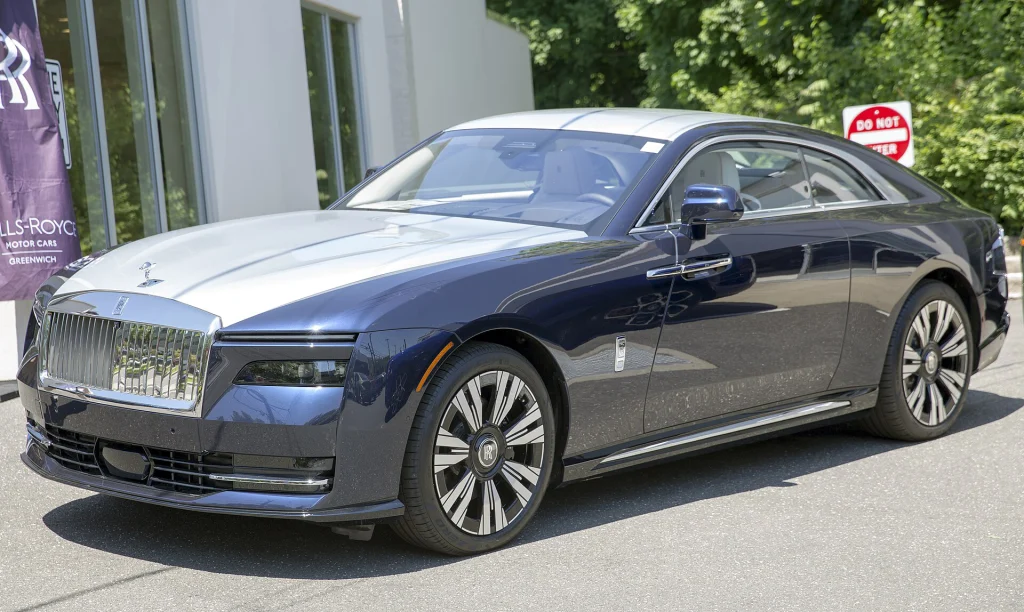
If you’re behind the wheel of a borrowed supercar in New York, there are some stretches of road you won’t want to be caught dead on. The Brooklyn-Queens Expressway always looks like a parking lot. From the Cross Bronx to the LIE, New Yorkers know their worst commuting nightmares inside out. Out in Queens, skip Queens Boulevard altogether. And try not to get stuck on Tillary Street at Flatbush Avenue. In Manhattan, don’t try 42nd Street at 8th Avenue. The Taconic Parkway and Long Island Expressway might seem like good options once you leave the city, but they’re prone to accidents. Congestion, narrow lanes, potholes and crashes will do more than just ruin your suspension.
The Streets New Yorkers Dread Most
NYC’s congested streets trap drivers in stop-and-go traffic, costing them 102 hours a year. The westbound BQE from I-495 to Tillary is the 4th most congested corridor in the US, where drivers lost 85 hours to traffic. The southbound Cross Bronx from Bruckner Expressway ranks 8th, worst around 4 PM. All that stopping and starting means more rear-end crashes.
Take the BQE. It’s old, cramped, and buckling under the combined weight of trucks and traffic. Constructed in the 1940s, the road was meant to accommodate vehicles that weighed about 72,000 pounds. But today’s trucks can weigh up to 80,000 pounds legally, and some overladen ones exceed that weight. About 10 percent of trucks are overweight. It’s not just the weight of trucks that makes things hazardous. Lanes are narrow, curves are tight, and there are constant construction zones on the road. One section of the roadway, called the triple-cantilever, was cut down to two lanes in each direction to limit stress on the structure.
If you’re driving a low-slung supercar on bad pavement, you’re in for trouble. Potholes, cracks, crumbling asphalt and other imperfections in the surface force your car to slow down, swerve and slam to a halt. You can file a claim against NYC with the Comptroller, but you must do it within 90 days. The city is generally liable only if it had prior written notice and didn’t fix it within 15 days.
Then there’s the Queens Boulevard, which is 12 lanes at its widest. Twenty people were killed on the ”Boulevard of Death” between 2009 and 2013. Queens Boulevard still inspires shudders, even after a redesign brought more pedestrian safety measures under the Vision Zero program. Another crossroads where too much traffic forces drivers to try suicidal maneuvers, Tillary Street and Flatbush Avenue, about 180 crashes a year, sits by the mouth of the Brooklyn and Manhattan Bridges and on/off ramps from the BQE. Atlantic and Pennsylvania Avenues have long been the scene of crashes, about 130 on average.
In Manhattan, 2nd Avenue and East 59th Street sees about 150 crashes a year. 42nd Street and 8th Avenue is another high pedestrian and crash spot, seeing about 140 accidents a year. Broadway north from 96th Street saw over 70 accidents in April 2023 alone. In the Bronx, the Grand Concourse’s wide lanes encourage speeding.
Headed Out of the City
If you’re headed out of the city, be on the alert. I-95 crossings at the Alexander Hamilton Bridge and approaching the George Washington Bridge rank among the most dangerous spots in the country. The Taconic State Parkway was built in the 1930s and it shows its age in narrow lanes, sharp curves, blind spots and steep hills. Long Island drivers know to avoid their own highway, the Long Island Expressway.
If you’re planning on driving from NYC to Albany or Canada, be warned: the Thruway is one of the state’s most dangerous highways. It runs from the Bronx to Canada. Speeding and heavy truck traffic are rampant on this stretch of highway, making it difficult for other drivers to merge. The Westchester and Rockland sections have particularly dangerous merging zones, and the road saw 11 fatal collisions in 2022.
Plan Your Trip
Plan your schedule. Conventional wisdom says to avoid driving during rush hour, when the city’s gridlock is at its worst. But that’s only part of the story. The most accidents happen from 4 to 7:59 PM. Manhattan has a congestion zone toll that depends on the time of day you drive into midtown Manhattan, so plan your trip accordingly to get the best rate: weekdays from 5 AM to 9 PM and weekends from 9 AM to 9 PM cost the most. The city speed limit is 25 unless posted, cameras will ticket 11 mph over the limit. Watch your spacing - stay 3-4 seconds behind the car ahead.
You can’t avoid distracted or aggressive driving, but you can spot the signs. If you see another car swerving around or driving erratically, they might be texting or eating. Speeding is also deadly - it’s a factor in about 29% of fatal accidents. It’s illegal to drive without headlights at night, so anyone who doesn’t have theirs on is a red flag.
If you do get in a crash on any of these roads, turn on your hazard lights, call 911 and take photos of the damage and road conditions. Do not admit fault. In New York, you must file an MV-104 report with the DMV within 10 days of the crash if it involves any injury, death or over $1,000 damage.